
AI Agents Poised for $450 Billion Windfall, Adoption Lags amid Trust Deficit
AI agents promise $450 billion windfall by 2028, but only 2% of organizations have scaled adoption amid plunging trust from 43% to 27% over ethical concerns and opacity.
AI agents promise $450 billion windfall by 2028, but only 2% of organizations have scaled adoption amid plunging trust from 43% to 27% over ethical concerns and opacity.
ChatGPT, the conversational AI model, handles a staggering 2.5 billion daily prompts from global users, with around 330 million originating from the U.S., showcasing its immense popularity as its search volume more than doubles in eight months.

Detroit emerges as a top artificial intelligence powerhouse, ranking highly in a Brookings Institution survey of metro areas for AI readiness, solidifying its position as a national leader in this cutting-edge field.

Amid massive corporate AI investments, 77% of workers report increased workloads due to AI, with nearly half struggling to leverage its promised productivity gains, signaling urgent need for workforce training and change management strategies.
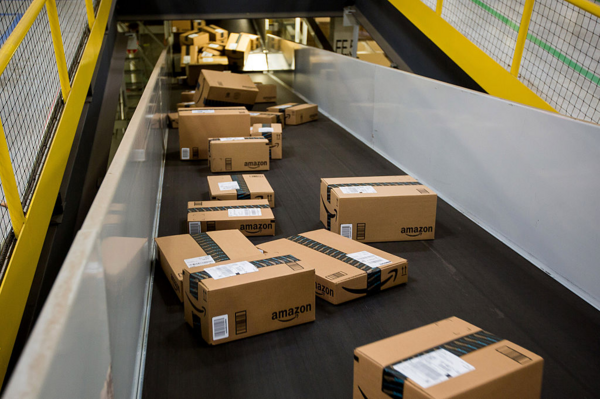
Prime Day triggers a $24 billion spending spree across US e-commerce sites, up 30.3% year-over-year, while GenAI traffic to retail platforms skyrockets 3,300% as shoppers leverage AI for product research and purchases.

Sixty percent of teachers now use AI tools for work, with weekly users saving nearly six hours per week on tasks like lesson planning and worksheet creation, equivalent to six weeks of time savings over an entire school year.

AI adoption among companies appears to be plateauing as firms confront the reality of AI's current limitations, with 41% of U.S. businesses having deployed AI products as of May 2025, according to fintech company Ramp's AI Index based on transaction data.
Google introduces AI-powered features for Android and Chrome, including image and screen descriptions from Gemini, expressive captions with sound labels, OCR for PDFs in Chrome, and customizable page zoom for better accessibility.

A recent survey reveals widespread anxiety among workers, with 1 in 4 fearing job losses due to AI adoption, highlighting the need for clear policies and open communication from employers as AI reshapes the job market, potentially displacing some roles while creating new opportunities.

Kenya's teacher shortage has prompted some educators to turn to AI assistants like ChatGPT to manage workloads, but limited internet connectivity and concerns over standardization and trust in the technology pose challenges to widespread adoption, sparking debate over investing in AI tools versus hiring more teachers.