
AI Startup Churns Out Thousands of Podcasts Weekly at $1 Each
An AI startup churns out thousands of low-cost podcasts weekly, producing various levels hosted by AI personalities without deep backstories to avoid emotional attachment.
An AI startup churns out thousands of low-cost podcasts weekly, producing various levels hosted by AI personalities without deep backstories to avoid emotional attachment.

OpenAI proposes sharing 20 million ChatGPT user logs, while The New York Times demands access to 120 million conversations in an ongoing legal battle, raising privacy concerns and potential delays.

AI image generators produce flawed images with floating objects and unnatural details, prompting calls for media literacy skills like source verification and reverse image searches to identify synthetic visuals, as no reliable free tool currently exists for automatic detection.

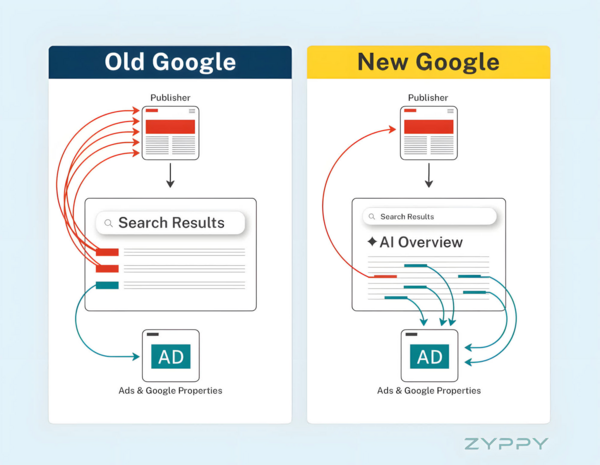
Google's AI summaries discourage users from clicking source links, as they prefer browsing over visiting cited websites like Wikipedia, YouTube, and Reddit, with government sites appearing more frequently than in regular searches.
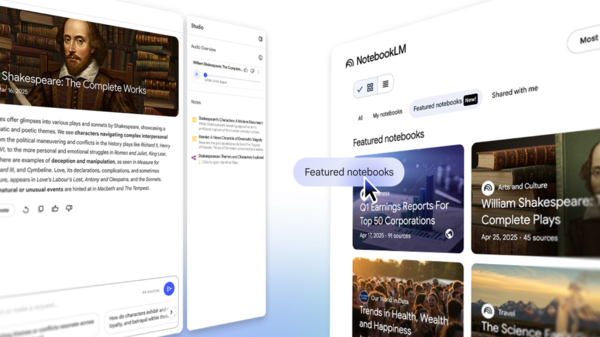
NotebookLM unveils curated notebooks from partners, enabling interactive exploration of diverse topics like science, literature, travel guides, and expert advice through questioning and grounded responses.

Hearst and Condé Nast ink multi-year deals allowing Amazon's AI shopping assistant Rufus to use their magazines' and newspapers' content, including articles from Good Housekeeping, Cosmopolitan, and other publications, to provide product recommendations and answer shopping queries.
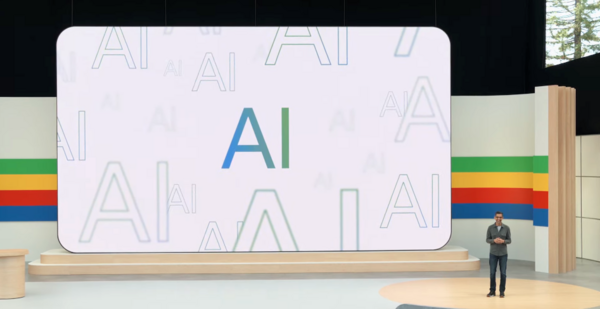
Google faces EU antitrust complaint as Independent Publishers Alliance accuses tech giant of exploiting web content for AI summaries in Google Search, harming publishers who cannot opt out without vanishing from search results.
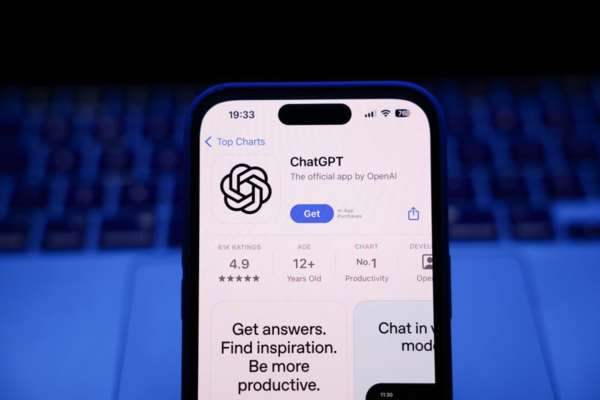
While ChatGPT drives referral traffic to news sites, overall organic visits plummet, prompting publishers to explore paywalls and new revenue streams as AI disrupts their industry.
In a legal battle with potential far-reaching implications, a federal judge permits The New York Times' copyright infringement claims against OpenAI to proceed, rejecting the AI company's request for dismissal.
Cloudflare CEO Matthew Prince battles AI crawlers scraping website content, launching a new 'AI Labyrinth' tool to defend clients' traffic and the internet's business model by bypassing AI scrapers that ignore website instructions, asserting Cloudflare's ability to protect against powerful adversaries.